
Puzzle Toys for Dogs
- updated: Jun. 25, 2024
Dog Enrichment Puzzle Toys: In a make-shift experiment during a cocktail party for people and dogs, dog participants were offered an opportunity to find treats in one of three puzzle toys. It was not an ideal laboratory as there were many distractions including other dogs, children, food, and noise. Notwithstanding, some data was able to be mined. Three Kyjen Dog Puzzles by Dog Gamez! Outward Hound were used.
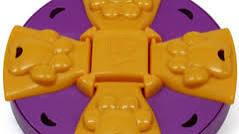
The Paw FlapperTM is a two-part puzzle with eight hidden treat chambers. Dogs must learn how to lift the treat chambers, as well as rotate the toy to retrieve treats.
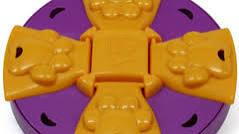
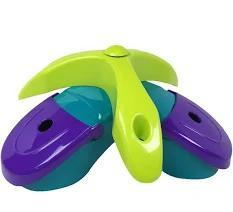
The Treat TriadTM has three chambers for food. Each chamber can be accessed by spinning the top rods to expose the chamber covers and food.
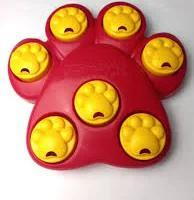
The PawHide has seven chambers of food. Each chamber is covered by removable plastic encasements. It is best to stick the back of the toy in place otherwise savvy dogs will simply flip the toy over and empty the dispenser at all once.
Data for each trial included the breed of the dog, whether the dog attempted to engage with the toy, and if so, how and whether the hidden food was depleted. As I observed the dogs engage with th toys, I couldn’t help but notice they were using similar behavior patterns to their ancestor (e.g. digging), and tapping into the dog’s innate appetitive behavior. Have you ever noticed your dog whine around the home with their new chewy, as if to find the exact right hiding space? Dogs will bury their bones in the garden, in plant pots, in between the sofa cushions, or behind furniture. Watch how they bury and cover the food.
Wolves will cache food, and then later unearth it for consumption. The excavation of the cache is done with the forefeet, while burying of the food is done with the snout (Phillips, et 1990). With this in mind, it would reason that dogs would most often use their paws to reveal the hidden treat.
The results indicate a 50% success rate across toys, with Treat Triad (64%), the Paw Flapper (55%), and the PawHide (40%). Food was retrieved by using the mouth, nose, teeth and bite, paw and scratch, and the simply flipping over the toy. Time for successful depletion ranged from 50 seconds up until 4 minutes. Children were a negative distractor, as were nearby dogs. Some dogs faces were incompatible with the toy design.
PawHide (n=10) | Success (n=4) | Not Success (n=6) | Time (s) | Behavior |
Standard Poodle | X | |||
GSD | X | |||
GSD w/ kids | X | Physical manipulation, give up w/out reward | ||
Boxer x | X | 120 | Mouth, bite | |
Shih Tzu | X | 30 | Sniff and abandon | |
Shih Tzu | X | |||
Corgi x GSD | X | 75 | Mouth, bite | |
Bichon | X | 180 | Scratch, Paw, Teeth | |
Bassett/Beagle | X | 90 | Paw, bite, scratch, nose - persistent in spite of no success for 1 min. | |
Terrier | X | 10 | Fear of competition, barked at another dog |
Paw Flapper (n=11) | Success (n=6) | Not Success (n=5) | Time (s) | Behavior |
Min Poodle | X | N/a | Low motivation | |
Labrador (y) | X | 180 | 12 yrs: flip w/nose, open w/mouth, lick | |
Labrador (y) | X | 18 mo: lick, remove top | ||
Scottish Terrier | X | 240 | 12 yrs; lick, paw, nose, dissemble toy, remove top | |
Labrador (b) | X | 20 | Panting, smell briefly | |
Shepherd x w/ k | X | 13 | Panting, ignore, distracted by kids | |
Shetland Sheepdog | X | 120 | Paw, Lick & spin, nose flip flap, persistent | |
Bichon | X | 50 | Paw, Nose, lick | |
Bichon | X | N/a | Sniff, lick | |
Cockapoo | X | 15 | Sniff | |
Shih Tzu | X |
Treat Triad (n=8) | Success (n=5) | Not Success (n=3) | Time (s) | Behavior |
Labrador (ch) w/ k | X | |||
Dalmatian w/kids | X | |||
Burmese w/kids | X | |||
Labrador x Corgi | X | |||
Scottish Terrier | X | 60 | 12 yrs: flipover | |
Corgi x GSD | X | 120 | Nose, flip, paw, teeth, mouth, remove top | |
Bulldog (am) | X | Mouth, nose, paw, flip over toy | ||
Bulldog (Fr) | X | 60 | Flip toy, twirl toy |
Slow food delivery systems have several benefits including reducing the speed at which a dog with a voracious appetite and food guarding may inhale their meal from an ordinary bowl, requiring the dog to engage in a mental task to obtain their food (i.e., foraging) thereby reducing boredom in otherwise sterile or stressful environments (e.g. shelter). Food enrichment toys can also be applied to behavior modification protocols (separation anxiety, crate training, compulsive disorders). Limiting factors included the dogs’ motivation for the food treat, nearby competitors, and environmental distractions. Studies support that showing the dog the hiding place is helpful at improving engagement and success.
- updated: Jun. 25, 2024
Dog Enrichment Puzzle Toys: In a make-shift experiment during a cocktail party for people and dogs, dog participants were offered an opportunity to find treats in one of three puzzle toys. It was not an ideal laboratory as there were many distractions including other dogs, children, food, and noise. Notwithstanding, some data was able to be mined. Three Kyjen Dog Puzzles by Dog Gamez! Outward Hound were used.
The Paw FlapperTM is a two-part puzzle with eight hidden treat chambers. Dogs must learn how to lift the treat chambers, as well as rotate the toy to retrieve treats.
The Treat TriadTM has three chambers for food. Each chamber can be accessed by spinning the top rods to expose the chamber covers and food.
The PawHide has seven chambers of food. Each chamber is covered by removable plastic encasements. It is best to stick the back of the toy in place otherwise savvy dogs will simply flip the toy over and empty the dispenser at all once.
Data for each trial included the breed of the dog, whether the dog attempted to engage with the toy, and if so, how and whether the hidden food was depleted. As I observed the dogs engage with th toys, I couldn’t help but notice they were using similar behavior patterns to their ancestor (e.g. digging), and tapping into the dog’s innate appetitive behavior. Have you ever noticed your dog whine around the home with their new chewy, as if to find the exact right hiding space? Dogs will bury their bones in the garden, in plant pots, in between the sofa cushions, or behind furniture. Watch how they bury and cover the food.
Wolves will cache food, and then later unearth it for consumption. The excavation of the cache is done with the forefeet, while burying of the food is done with the snout (Phillips, et 1990). With this in mind, it would reason that dogs would most often use their paws to reveal the hidden treat.
The results indicate a 50% success rate across toys, with Treat Triad (64%), the Paw Flapper (55%), and the PawHide (40%). Food was retrieved by using the mouth, nose, teeth and bite, paw and scratch, and the simply flipping over the toy. Time for successful depletion ranged from 50 seconds up until 4 minutes. Children were a negative distractor, as were nearby dogs. Some dogs faces were incompatible with the toy design.
PawHide (n=10) | Success (n=4) | Not Success (n=6) | Time (s) | Behavior |
Standard Poodle | X | |||
GSD | X | |||
GSD w/ kids | X | Physical manipulation, give up w/out reward | ||
Boxer x | X | 120 | Mouth, bite | |
Shih Tzu | X | 30 | Sniff and abandon | |
Shih Tzu | X | |||
Corgi x GSD | X | 75 | Mouth, bite | |
Bichon | X | 180 | Scratch, Paw, Teeth | |
Bassett/Beagle | X | 90 | Paw, bite, scratch, nose - persistent in spite of no success for 1 min. | |
Terrier | X | 10 | Fear of competition, barked at another dog |
Paw Flapper (n=11) | Success (n=6) | Not Success (n=5) | Time (s) | Behavior |
Min Poodle | X | N/a | Low motivation | |
Labrador (y) | X | 180 | 12 yrs: flip w/nose, open w/mouth, lick | |
Labrador (y) | X | 18 mo: lick, remove top | ||
Scottish Terrier | X | 240 | 12 yrs; lick, paw, nose, dissemble toy, remove top | |
Labrador (b) | X | 20 | Panting, smell briefly | |
Shepherd x w/ k | X | 13 | Panting, ignore, distracted by kids | |
Shetland Sheepdog | X | 120 | Paw, Lick & spin, nose flip flap, persistent | |
Bichon | X | 50 | Paw, Nose, lick | |
Bichon | X | N/a | Sniff, lick | |
Cockapoo | X | 15 | Sniff | |
Shih Tzu | X |
Treat Triad (n=8) | Success (n=5) | Not Success (n=3) | Time (s) | Behavior |
Labrador (ch) w/ k | X | |||
Dalmatian w/kids | X | |||
Burmese w/kids | X | |||
Labrador x Corgi | X | |||
Scottish Terrier | X | 60 | 12 yrs: flipover | |
Corgi x GSD | X | 120 | Nose, flip, paw, teeth, mouth, remove top | |
Bulldog (am) | X | Mouth, nose, paw, flip over toy | ||
Bulldog (Fr) | X | 60 | Flip toy, twirl toy |
Slow food delivery systems have several benefits including reducing the speed at which a dog with a voracious appetite and food guarding may inhale their meal from an ordinary bowl, requiring the dog to engage in a mental task to obtain their food (i.e., foraging) thereby reducing boredom in otherwise sterile or stressful environments (e.g. shelter). Food enrichment toys can also be applied to behavior modification protocols (separation anxiety, crate training, compulsive disorders). Limiting factors included the dogs’ motivation for the food treat, nearby competitors, and environmental distractions. Studies support that showing the dog the hiding place is helpful at improving engagement and success.





Office Hours
Monday
9:00 AM - 5:00 PM
Tuesday
9:00 AM - 5:00 PM
Wednesday
9:00 AM - 5:00 PM
Thursday
9:00 AM - 5:00 PM
Friday
9:00 AM - 4:00 PM
Saturday
Closed
Sunday
Closed

Terms and Conditions: Payment is necessary to secure an appointment. There is a $50 USD re-scheduling fee and $150 USD cancellation fee. Full service charge applies to changes < 48 business hours of the scheduled appointment.